Deepen understanding
New ways into your subject.
- Understand differentlyLearning content that reveals connections.
- Clarify questionsSupport between sessions, too.

 Supported by W.INBraunschweig Zukunft GmbH · City of Braunschweig



AI-powered learning platform for universities, schools, vocational education and companies
The learning platform that evolves with your learners. EDUGEN identifies error patterns and their subject-specific reasons, building a clearer understanding of each learner.
Understand.Apply.Move forward.
Learning support between sessions. Targeted exam preparation. Knowledge that holds in professional practice. Explore implementation in your institution.

Deepen understanding and make learning barriers visible throughout the semester.
Use in higher education
Support learners individually and address subject-specific learning barriers.
Use in schools
Strengthen subject knowledge and apply it to professional tasks.
Use in vocational education
Consolidate training knowledge and use it in everyday work.
Use in companiesExplain, practise, teach: your content connects the three areas.
New ways into your subject.
From understanding to competence.
Recognise your course's needs.

Explore how the platform works together.Explore the connections


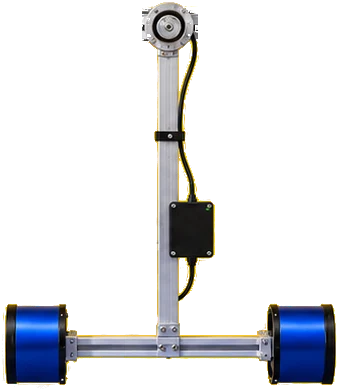
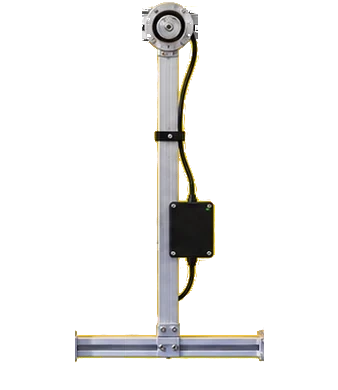
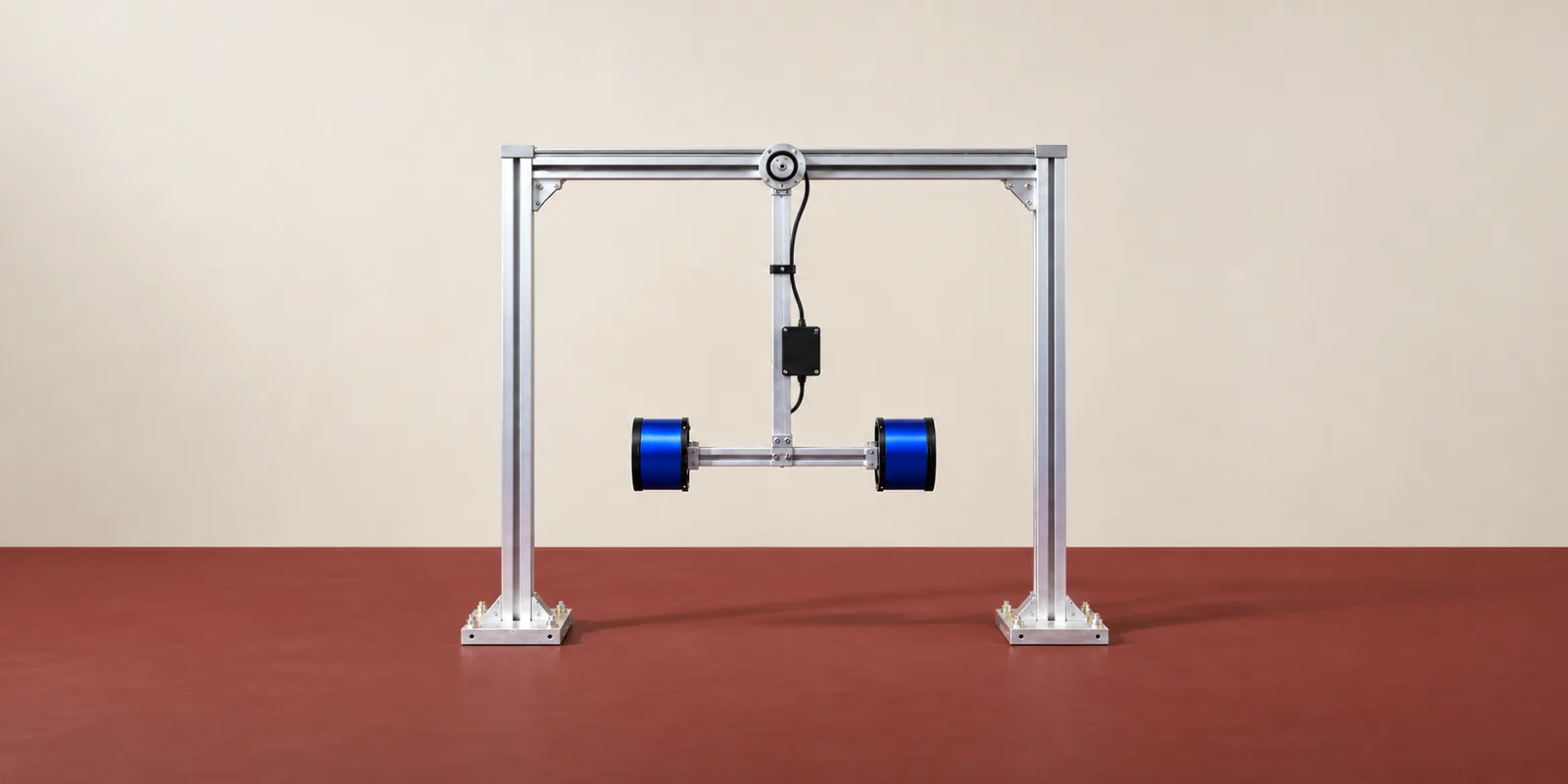
Try it: Move the mouse over the image to move the polarising filter Tap the image or drag sideways to move the polarising filter
Polarised light reveals where a component is under stress.
In learning too, it pays to look beneath the surface.
Different assumptions can lie behind the same incorrect answer. EDUGEN identifies these subject-specific reasons and recurring patterns.
Polarised light as an image for a new perspective on learning.
EDUGEN connects your content with each learner’s development.
Illustration An insight into the value of learning support.
1 Your content. Your material provides the shared foundation.
One chapter. New possibilities.
Content for your course.
Make connections understandable.
Your goal: Work independently.
2 Understanding grows. Open questions become clear connections.
Connected to your learning goals
3 Recognise learning barriers. The subject-specific reason matters.
Address open questionsIllustration
4 Support evolves. Support follows the current learning need.
A clearer view of learning needsIllustration
Understand the development.
5 Move forward with purpose. A different explanation opens another way in.
Relevant supportIllustration
6 Apply knowledge. Learning holds up in a new case.
Knowledge becomes competence.Ready for the next challenge.
In exams. In a new case. In practice.
Your content. The right way in. The next step.
Living Script
One idea, as text, formula and image.
Three ways into one passage.

One passage. New perspectives. Illustration
Try it: Change version
Your teaching materialControl engineering · example
A controller requests an input. A real actuator can only deliver it up to its limit.
u(t) = sat(−kpθ − kdω, umax)
Demand and available force are not the same.
One connection. New approaches.
Demanding more does not automatically mean delivering more.
The demandWhat should the actuator deliver?
The limitWhat can it actually deliver?
|u| ≤ umax
A limit becomes visible.

The same topic. A different view.
Read. See. Understand.
Explainer videos
See connections, explore for yourself and think further. Your learners become part of the explanation.
Visual glimpseMotion makes connections visible.
Directions that remainLinear algebra · illustration
ExampleMake connections visible
Try it: drag k yourself
A glimpse from linear algebra: a grid transforms and vectors change direction. Some directions remain unchanged. A rotation reveals another connection. The parameter k changes the display again. Finally, the image returns to the test rig.
The illustration shows how motion makes abstract connections visible. You can move the slider yourself or pause playback at any time.
 ChapterLiving Script and explainer videosNew perspectives on your content.Open chapter
Learning Companion, Knowledge Compass, flashcards and practice – linked directly to your content.
Example Illustrative glimpses into different subject areas.
From your teaching material
Keep the bigger picture.
Your content at a glance: the key concepts and connections for revision and reference.
Fixed and variable costs
Lower unit costs do not automatically mean lower total costs.

From your teaching material
An open door for every question.
An AI-powered dialogue about your course content: clarify questions and develop your own understanding.
ChemistryExample
Learner: Has table salt disappeared when it dissolves in water?
Learning Companion: It is still there: the ions from the salt are dispersed in the water. What would have to happen for you to see the salt again?
From your teaching material
Recall, flip, repeat.
Concepts, formulas and rules of thumb from your material as cards: recall first, then check.
AnswerFrom water.Water is split, releasing the oxygen given off by the plant.
Question · BiologyWhere does the oxygen released by plants during photosynthesis come from?Example

From your teaching material
Knowledge should work where it is needed. Example
Recognise the connections behind the numbers.
More than a correct result.

Understand quantities and units.
Understanding that holds up.

Give reasons for subject-specific decisions.
From content to context.

Use what you have learned in practice.
Ready for new challenges.
Support that evolves with you
One course, three learning needs. What helps them move forward now?
Individual learning supportExample
Lea, Ben and Mira need different next steps.
LLea
LeaRediscover the connection
New perspectiveUnderstand.

Relevant supportDifferent approaches to the content
The goalAn aha moment.
BBen
BenUnderstand a foundation more confidently
New confidenceConsolidate.

Relevant supportRoom for open questions
The goalUnderstanding that holds up.
MMira
MiraTake learning further
New possibilitiesApply.

Relevant supportNew challenges
The goalKnowledge becomes competence.
A new explanation. More practice. A more challenging task.
Discover individual learning supportFor educators
What does your next session need? A course overview shows which topics to address together.
1 See your course clearly.Learning progress at a glance.
Your course at a glance · percentagesIllustration
One course.Many individual learning paths.
2 Take a closer look.Identify the subject priorities.
UnderstandingSupport needsLearning barrier
3 Understand learning barriers.The recurring misconception becomes clear.
!Illustrative patternPercentagesThe base value is being confused.
The assumption: “+20% and −20% cancel each other out.”
The subject-specific reason: The second change refers to a different starting value.
4 Targeted support.Align explanations and practice with them.
!Illustrative patternPercentagesThe base value is being confused.
Your teaching makes a targeted difference
You can see which connection your course still needs to understand.
5 Move teaching forward.Prepare the next session with a clear focus.
!Illustrative patternPercentagesThe base value is being confused.
Your next sessionFocus on the base value.
Subject responsibility stays with you.
Now the question is whether a learned connection holds up in a new case.
1 The situation

IllustrationExample
A vehicle travels at 40 instead of 20 km/h. Mass and braking force remain unchanged. How does the braking distance change?
2 The connection
Reaction distance and braking distance respond differently to increased speed.
Schematic comparison with unchanged mass and constant braking force. Markers show the starting value.
3 The aha moment
What does increased speed mean for the distance to a complete stop?
Doubling speed means four times the kinetic energy – and, with the same braking force, four times the braking distance.
EDUGEN addresses such misconceptions so learners can make informed decisions in a new case.
Your subject area. Real competence. Example
 Civil engineeringCantilever staticsUnderstand and assess structural behaviour.
 Laboratory, analysisSerial dilutionWork carefully and understand connections.
 Logistics, businessInventoryUse knowledge for operational decisions.Heating engineeringHeat distributionConsider temperature, flow and output together.
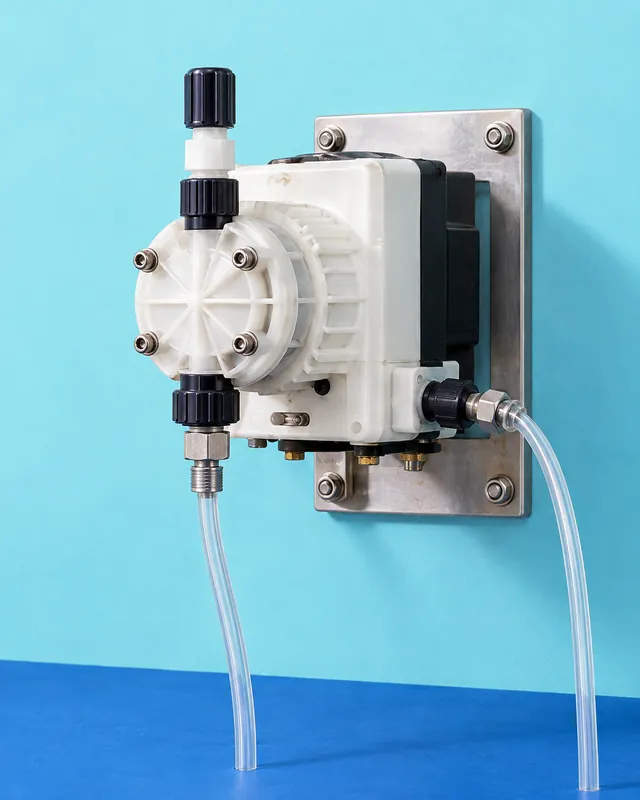
 Medicine, pharmacologySyringe pumpConnect subject knowledge with responsibility.
Consulting · Training · Workshops
Develop learning concepts. Train your team. Use AI purposefully. We work on what moves your organisation forward.
A brief description is enough for your enquiry. We discuss materials together.
Control engineering, chapter 4.2Page 87
4.2 Control output and saturation
When demand exceeds the limit, the actuator remains at its end stop. In saturation, higher gain has no effect on force.
For your institution. For your team.
Choose what moves you forward. All three services can also be booked independently of a material review.
From learning objectives to implementation: we develop learning concepts with you, choose suitable AI applications and plan their use in your workflows.
Your outcomeA concrete roadmap with priorities, responsibilities and next steps.
Discuss consultingYour team learns to use EDUGEN and AI purposefully in teaching and training: prepare material, use learning formats and interpret findings in their subject context.
Your outcomePractical exercises and clear techniques for daily work with your content.
Plan trainingWe work together on your specific challenge: a learning concept, a training topic or the use of AI in your institution.
Your outcomeDeveloped ideas, initial drafts and agreed implementation steps.
Shape a workshopFrequently asked questions
From your material to working together: the essentials at a glance.
What EDUGEN can do for you.
EDUGEN is an AI-supported learning platform for universities, schools, vocational education and companies. It connects individual learning support, targeted practice and insights for educators. Your teaching material provides the subject foundation.
EDUGEN recognises recurring error patterns and their subject-specific reasons. As learning progresses, a clearer picture emerges of what learners understand and where they need support. Support evolves alongside them; educators gain starting points for their teaching.
Explanations, an Learning Companion, Knowledge Compass, flashcards and exercises support learning. We show and discuss which tools suit your content and learning goals in a personal conversation.
What fits your institution.
Universities, schools, vocational education and companies. It is especially relevant for subjects where connections need to be understood and applied to tasks or professional situations.
Yes. Consulting, training and workshops support learning concepts, the use of AI and practical adoption within teams. These services are also available independently of the platform.
Your next step with EDUGEN.
We discuss your learning goals and challenges, show relevant insights into the platform and agree the next step for your institution. A short description is enough for your initial enquiry.
You receive a proposal with clear services and scope, tailored to your project. Your material, intended use and support needs shape the offer. We discuss these points with you personally.
Before teaching material or learning data is shared, we agree processing locations, access and deletion periods. We account for the external services involved and your institution's requirements.